(Image: Engraving on titlepage of Maier, [Tripus aureus], 1618 [X])
Alchemical writers specifically, and much of the medieval occult world in general, employed various forms of imagery in order to obfuscate their writings. In some cases, this intentional misdirection is obvious to modern readers, even if what was being hidden is hotly debated. In other cases, that obfuscation isn’t so clear.
One example of the latter would be Agrippa’s formulations for Planetary Incense. There are various animal parts called for, which may aggravate the modern sensibility, but which are also based on common enough sources that the question lingers: were these intended to be taken literally?
Harold Roth, of Alchemy Works, [suggests not], and points to the Greek Magical Papyri, and the writings of some notable ancient physicians to make his case.
This is not a complete list, as can be inferred from the lack of such things as Brain of a Cat, and Blood of a Stork, but it does help shed light on the way these ancient writers thought. It also gives me hope that other lists might exist as well.
A
Adder’s Tongue: Dogstooth Violet; Plantain
Ass’s Foot: Coltsfoot
B
Bat’s Wing : Holly Leaf
Bat’s Wool : Moss
Bear’s Foot: Lady’s Mantle
Bird’s Eye: Germander, Speedwell
Blood: Elder sap or another tree sap
Blood from a Head: Lupine
Blood from a Shoulder: Bear’s Breeches
Blood of a Goose: Mulberry tree’s sap
Blood of a Hamadryas Baboon: Blood of a spotted gecko
Blood of a Snake: Hematite
Blood of an Eye: Tamarisk Gall
Blood of Ares: Purslane
Blood of Hephaistos: Wormwood
Blood of Hestia: Chamomile
Bloody Fingers: Foxglove
Blue Jay: Bay laurel
Bone of an Ibis: Buckthorn
Brains: Cherry tree gum [this phrase usually designates any fruit tree gum]
Bull’s Blood or Seed of Horus: Horehound
Bull’s Foot: Coltsfoot
Bull’s Semen: Eggs of the blister beetle
C
Calf’s Snout: Snapdragon
Capon’s Tail: Valerian.
Cat: Catnip
Cat’s Foot: Canada Snake Root and/or Ground Ivy
Clot: Great Mullein
Corpse Candles: Mullein
Cuddy’s Lungs: Great Mullein
Crocodile Dung: Ethiopian Earth
Crow Foot: Cranesbill, wild geranium, buttercup
D
Devil’s Dung: Asafoetida
Dog: Couch grass
Dog’s Mouth: Snapdragon
Dog’s Tongue: Hounds Tongue
Dove’s Foot: Wild Geranium
Dragon’s Blood: Resin of Draco palm
Dragon’s Scales: Bistort leaves
E
Eagle: Wild Garlic of Fenugreek
Ear of an Ass: Comfrey
Ears of a Goat: St. John’s Wort
Englishman’s Foot: Common Plantain
Eye of Christ: Germander, speedwell
Eye of the Day: Common daisy
Eye of the Star: Horehound
Eyes: Inner part of a blossom; Aster, Daisy, Eyebright
F
Fat from a Head: Spurge
Fingers: Cinquefoil
Five Fingers: Cinquefoil
Foot: Leaf
Frog: Cinquefoil
Frog’s Foot: Bulbous buttercup
From the Belly: Earth-apple
From the Foot: Houseleek
From the Loins: Chamomile
G
Goat’s Foot: Ash Weed
God’s Hair: Hart’s Tongue Fern
Gosling Wing: Goosegrass
Graveyard Dust: Mullein
Great Ox-eye: Ox-eye daisy
Guts: The roots and stalk of a plant
H
Hair: Dried stringy herbs; ripe male fern
Hair of a Hamadryas Baboon: Dill Seed
Hair of Venus: Maidenhair fern
Hare’s Beard: Great mullein
Hawk: Hawkweed
Hawk’s Heart: Wormwood seed or wormwood crown
Head: Flower of a plant
Heart: Walnut; bud, seed, or nut
Hind’s Tongue: Hart’s Tongue Fern
Horse Hoof: Coltsfoot
Horse Tongue: Hart’s Tongue Fern
J
Jacob’s Staff: Great Mullein
Jupiter’s Staff: Great Mullein
K
King’s Crown: Black Haw
Kronos’ Blood: Cedar
L
Lamb: Lettuce
Lamb’s Ears: Betony
Leg: Leaf
Lion’s Hair: Tongue of a Turnip [i.e., the leaves of the taproot]
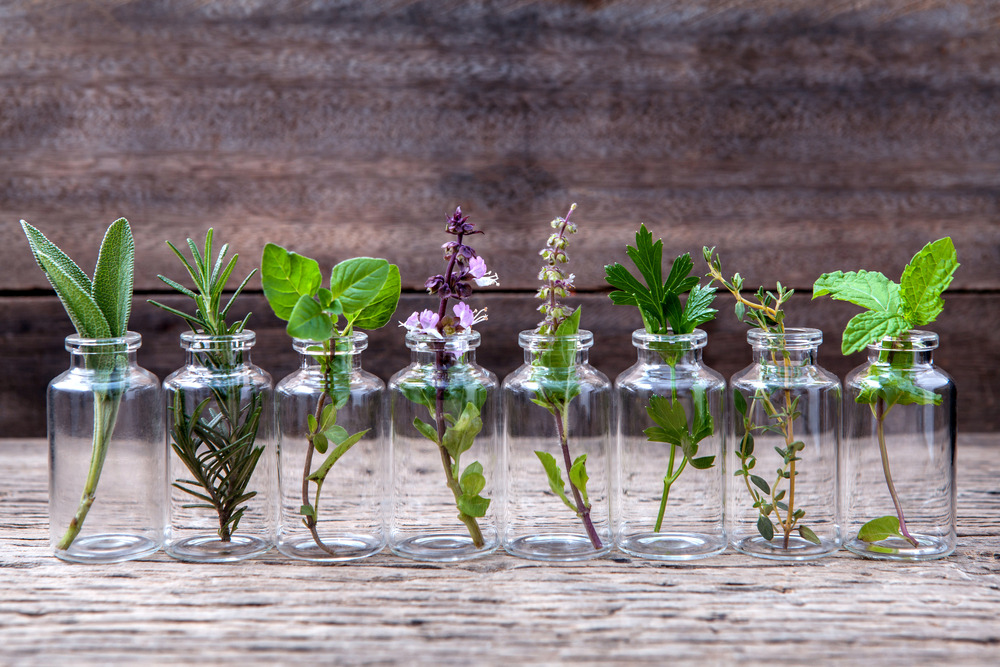
Most herbs will be happy growing in water, but those propagated from cuttings are easier to start in water. Seed-grown annuals like cilantro, mustard, and dill are a bit tricky because you need to sow the seeds in soil or some other medium and then transfer the seedlings to water. Soil to water transition is not impossible, but it may not always work out because soil-grown roots are a bit different from water roots.
What you need: Water. Rainwater is best. Do not use chlorinated water. Tap water that has been left to sit overnight will also do. Containers. Water roots like to grow away from light, so tinted containers are best, but not necessary. There are advantages to having narrow mouthed containers which can support your cuttings, but they should by no means be tight. Plant cuttings. You should have about ten centimetres.
Here are the best and easiest herbs to grow: Any type of mint, basil, oregano, stevia, sage, lemon balm, tarragon, thyme, rosemary.
Keeping a garden and/or some indoor plants is a great witchy practice, especially green and kitchen witches! However, to save yourself a lot of frustration and to make sure your green babies get the care they need, it’s important to research a few things before you plant:
Sun and shade requirements
Full sun means the area gets at least 6 hours of direct sunlight per day
Partial shade means the area gets 3-6 hours of direct sunlight, probably in the morning when it’s cooler.
Dappled shade means that the plant lives almost exclusively on indirect light: it gets a couple hours of cool light in the morning, and lives in filtered light like the kind through a forest canopy the rest of the time.
Figure out what the light conditions are where you want to plant, and make sure you plant things that can deal with that amount of light. Some plants find too much sun stressful and will dry out too fast, others will start to rot if they don’t have that direct sunlight to help them eat up their water.
Drought tolerance
If you live in an especially arid area, you will want almost exclusively drought-tolerant plants. If your area is more humid, then you’re going to water your drought-tolerant plants even less than one normally would. Research the aridity/humidity of your area, and adjust your plant’s watering accordingly.
Soil & Drainage
Not every plant actually wants a rich, dark, mulchy soil. Many cacti and succulents prefer soil that is mixed with sand and small stones to help it drain faster (too much water sticking around the roots can cause root rot), and plants that enjoy full sun and are drought tolerant tend to prefer well-drained containers that don’t hold on to water forever. Research your plant’s preferences and adjust their soil and drainage accordingly. More holes and stones or sand make things drain faster, less of both make them drain slower.
Depth & Distance
Some plants really need their elbow room, others need to be close together for support. Some do best when they can grow a big ol’ taproot that digs deep deep down into the groundwater, others are happy sticking near the surface. If you’re growing your plants in containers, research the root structures of your desired plants, and choose ones that can expand to a healthy rate in your containers and make sure new seedlings have enough distance from each other that their root systems don’t choke each other out. Your seed packet should have instructions on how far apart to plant.
Companion Planting
Many plants can benefit from being near each other: the pests common to one plant may be deterred by the smell or property of its close neighbour, one can attract pollinators for both, and so on. Research optimal companions for your desired plants.
There’s a post going around here stating that Gods and Goddesses are not correspondences for spellwork and should not be used by magical people as such. That’s all well and good. But. As an animist, I would like to also add…
PLANTS ARE NOT CORRESPONDENCES EITHER.
Plants have spirits. They have personalities. They are capable of working a magic all their own.
If you want to understand the plants you use in your craft better, grow ‘em. Find ‘em in nature. If you can’t do either because they’re not part of your local biosphere, sit down with the dried pieces of plant matter or resin or whatever and commune with them.
Talk to your plants. Tell them what you want when you work with them. If you’re growing them, talk as you water them and tend to them.
It’s one thing to be like, “oh yeah, rosemary is for protection and lavender is for love.” It’s another thing to understand why rosemary is for protection and why lavender is for love. Looking into old plant lore can help, but developing a one-on-one relationship with the plant is vital if you want to increase the quality of the plant-worker relationship.
A good starting point to help more with this concept (since to our modern minds it can be a bit difficult to understand, at least from my observation) is to read about Agrippa’s Doctrine of Signatures. Nature provides for us the medicinal and often occult virtues of many plants based on their outward appearance, which is an intensification of the inward spirit force. Sharp thorns say: Stay Away. Soft petals and an inviting scent say: Come to me. Some plants are tricksters and disguise themselves as other plants, like Hemlock disguising kiself with Queen Anne’s Lace.
Experimenting with how different materia reacts to certain conditions, such as being burned, powdered, made into teas, or oils can also help to learn more about them. Our ancestors ate, drank, smeared, stuck them up their asses to learn the virtues of the natural world (may they rest in peace), and then passed down that knowledge.
Of course, if you don’t want to take the time learn how to do all that (because it’s honestly a ton of work, and who has the type of time or resources to do that all the time?) reading up on that knowledge which has been passed down is totally valid.
I get a lot of asks about plants; what dried herbs to start with, what kind are good for beginners, what I would recommend new witches own, how to grow them, etc. That’s totally okay because you guys know I love helping you out but to make things easier I’m just going to talk about plants for a while, okay? Enjoy!
Let’s Start At The Beginning🌿
“What should a beginner witch have in their cabinet?”
I get asked a lot what are some good herbs or dried flowers to have for people who can’t grow their own. Just remember, it’s not necessary to have herbs in your practice, all you need to be a witch is a desire to be a witch! But these are the herbs I recommend and/or are my personal favorites.💜
Orange Peel – This is great for uplifting energies and bringing happiness into your life, they can help with intuition, bring prosperity and abundance, and they can help strengthen friendships and relationships. They’re loaded with Vitamin C & A, it’s a powerful antioxidant and great for relieving congestion(add it to your bath!) You can eat them, burn them, make a tea, add it to your bath, whatever you see fit!
Basil – This is great for bringing in money and prosperity, love, flying/astral work, exorcisms, and is great for protection.
Basil has potent antioxidant, antiviral, and antimicrobial properties. It is also an anti-inflammatory.
Mint – Mint is probably one of my favorite healing herbs, it can help bring you strength, luck, money, and safe travels. Mint is an anti-inflammatory and an antiseptic. Ideal for treating indigestion, flatulence, varicose veins, headaches, migraines, skin irritations, rheumatism, toothache, and general fatigue.
Chamomile – One of my favorite meditation plants, it also aids in centering and finding peace, protection, self-love and healing! It’s great for fevers, indigestion, it works as an anti-inflammatory for wounds, and makes a good insect repellent.
Rosemary: It’s often used for protection, love, purification, healing, sleep, and youth. When burned it emits powerful cleansing and purifying vibrations and is used to rid a place of negativity. It provides anti-inflammation, anti-fungal, antibacterial, and antisepticproperties. And research provides ample evidence that rosemary not only improves memory, but helps fight cancer.
Onion: It is used for protection, exorcism, healing, money, and abundance in life. Grown in pots or in the garden they repel negative energy and evil intentions. You can cook onions to attract money and luck.
Onions are high in vitamin C, a good source of fiber, and are good for regulating blood pressure.
Thyme: It can be used for good health, healing, sleep, courage, love, purification, psychic powers. It can be burned for good health and purification and can be used in healing spells. It can be used to help bronchitis, whooping cough, sore throat, colic, arthritis, upset stomach, stomach pain (gastritis), diarrhea, bedwetting, intestinal gas (flatulence), parasitic worm infections and skin disorders.
Growing Your Own Indoor Plants 🌿
These are what I recommend for beginners(inside) I tried to include a variety of herbs, succulents, and houseplants because I know some people prefer one of the other. This includes generic care tips like storage needed, how much light, water, etc. If you’re looking for magical plant care tips scroll down to the next category! All plants picked are cat and dog friendly.
Spider Plants –
absorb negativity while improving both the energy and air quality of your home. They’re great for low-key daily cleansing. The pot does not need drainage, moderate sunlight, during growth water once or so a week, at adult(one year) water more frequently, during the summer do not let the soil dry out, keep it moist! Generic garden soil is fine.
African Violets – ruled by the planet Venus, promoting spirituality and peaceful vibrations. Their five-petaled flowers are protective and link the plant with the pentagram.
Keep them in a warm location where they get plenty of light, and these darling little plants will happily bloom for you all year round. They’re roots are very fragile so over watering can definitely kill them, make sure the soil is completely dry to touch before water. They do best with soils that include peat moss or vermiculite.
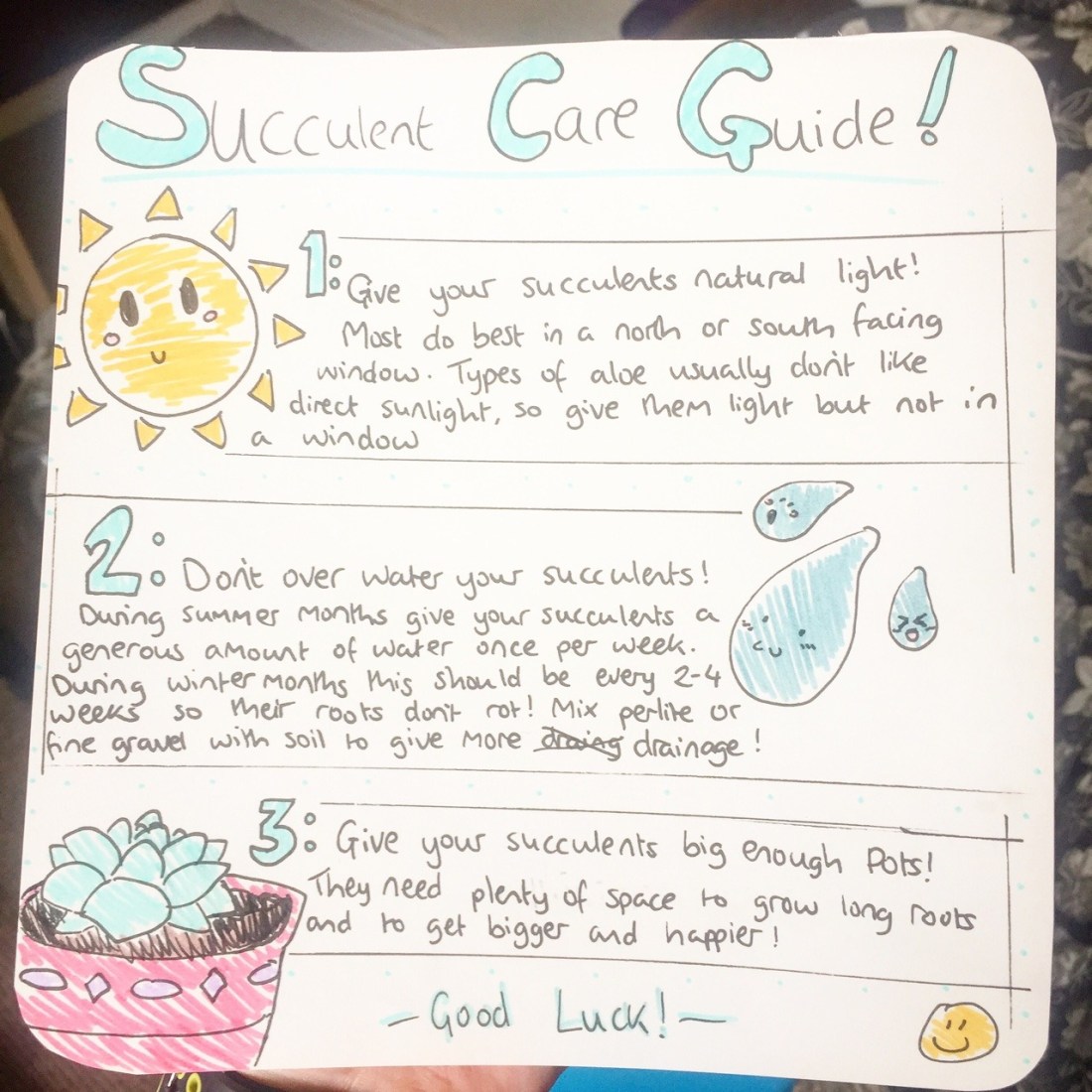
Succulents – bringers of love and abundance and can be among the easiest of house plants to grow. Succulents are ruled by the moon. Succulents definitely need plots that have drainage holes, the soil should be a mix of rocks and soil or just buy premade cacti soil! Water two to three times a month depending on size. Full sunlight is best!
Swedish or English Ivy –
are protective as well as decorative, and never more so than when trained to grow outside on house walls. Potted and brought indoors, they serve the same function, for their curious stems and leaves drive away evil and negativity from their dwelling place. They are also though to promote fidelity and fertility. Medium light, simple garden soil, they do like moss, ivy’s prefer to be on the dry side when the soil has been dry for 2-3 days then water!
Catnip – can bring love into the home, works for cat magic or dieties, helps promote happiness and aids in sleep/astral travel magic. It can be successfully grown on a sunny windowsill, providing you give it enough water and remember to pinch out the flowers to encourage leaf growth. You can start pinching off leaves as soon as the plant hits about 6 – 8 inches.
Basil – it can help steady the mind, brings happiness, love, peace, and money and protects against insanity. Keep basil in direct or medium sunlight, keep soil moist, make sure to pick the leaves regularly to encourage growth throughout the summer.
Lemon Balm – associated with the moon and neptune, can be used to dispel melancholy and depression, it is traditionally used for
compassion, fertility, happiness, healing, longevity, love, mental health, prosperity, and divination. Lemon balm likes a steady supply of water, but good drainage is a must.The plant recovers quickly from wilt, so it’s best to err on the side of dry rather than too wet, which will encourage root rot.
Any good, fast-draining potting soil will likely do.
Thyme(a personal favorite) – planet venus, it’s good for
clairvoyance, cleansing, courage, divination, dreams, exorcism, faeries, happiness, healing, love, money, prevents nightmares, protection, psychic development, aannnddd purification. It’s a pretty useful little plant and it’s super cute if you ask me!
Water completely each time but allow the pot to dry before watering again. Fertilize thyme with a weak solution of fish emulsion or liquid seaweed once a month – I swear by it!
Trim off flowers and dry them for a sachet or use them in tea, bath, etc!
Rosemary –
It’s often used for protection, love, purification, healing, sleep, and youth. When burned it emits powerful cleansing and purifying vibrations and is used to rid a place of negativity. Same grow tips as thyme!
Orchid – it can be used for elegance and beauty, concentration, strengthening memory, love, intuition, harmony, focus, and will power. I personally love having my orchids around during self love magic and glamour spells. It needs ample water but should be allowed to dry out some between watering – make sure to not over water it. Some orchids can be air plants!
Magical Tips For Growing Plants🌿
Just some tips and tricks I’ve learned over the years, some of these may not be super witchy but still definitely helpful for strong plant babies!
Sing or talk to your plants daily! Not only will the positive energy they receive help them grow strong, so will the more direct source of Carbon Dioxide. 💕
Use rain water or moon water to water your plants! You can really use any kind of water but I advise against sea water unless you boil the salt out first.
Bonus! Charge your water with crystals. I like to leave mine out under the moon with moss agate, clear quartz, and rose quartz to encourage growth into a strong, beautiful plant.
If you smoke weed, ashes are lovely to give to plants once a week, most ashes work to be honest. You can also use left over tea leaves to compost as well, you can infuse/encourage your plants with energies of the tea!
You can also include eggshell powder or water from when you boil eggs in your waterings once a week to help aid it’s growth.
I wouldn’t suggest feeding them plant food until their adults though just because it’s really simple to over feed them. But it’s okay to throw some eggshells in the beginning.
Sigils! Put sigils on everything, your watering can, the containers your plants are in, on the window they receive their sunlight from! Have fun, gardening is a great time to explore yourself and your craft.
Leave your plants under the moon to let the charge. Or when they’re in the sun let that charge them to bring energy and happiness into your home and life.
Leave crystals next to your plants or create little spell jar to keep in your garden. I have one of citrine, clear quartz, bay, oak, and a little love letter to Freyr because he’s my patron god and a god of nature.
This may sound weird but I swear my little green guys love jivin’ to music, play some and dance around with them, let them be lively and included in your life. We’ve been listening to a lot of Janis Joplin lately.
If your plant indoors you don’t have worms!! Oh no! Poke little holes in your soil (after their healthy sprouts) to make sure the soil isn’t compacted.
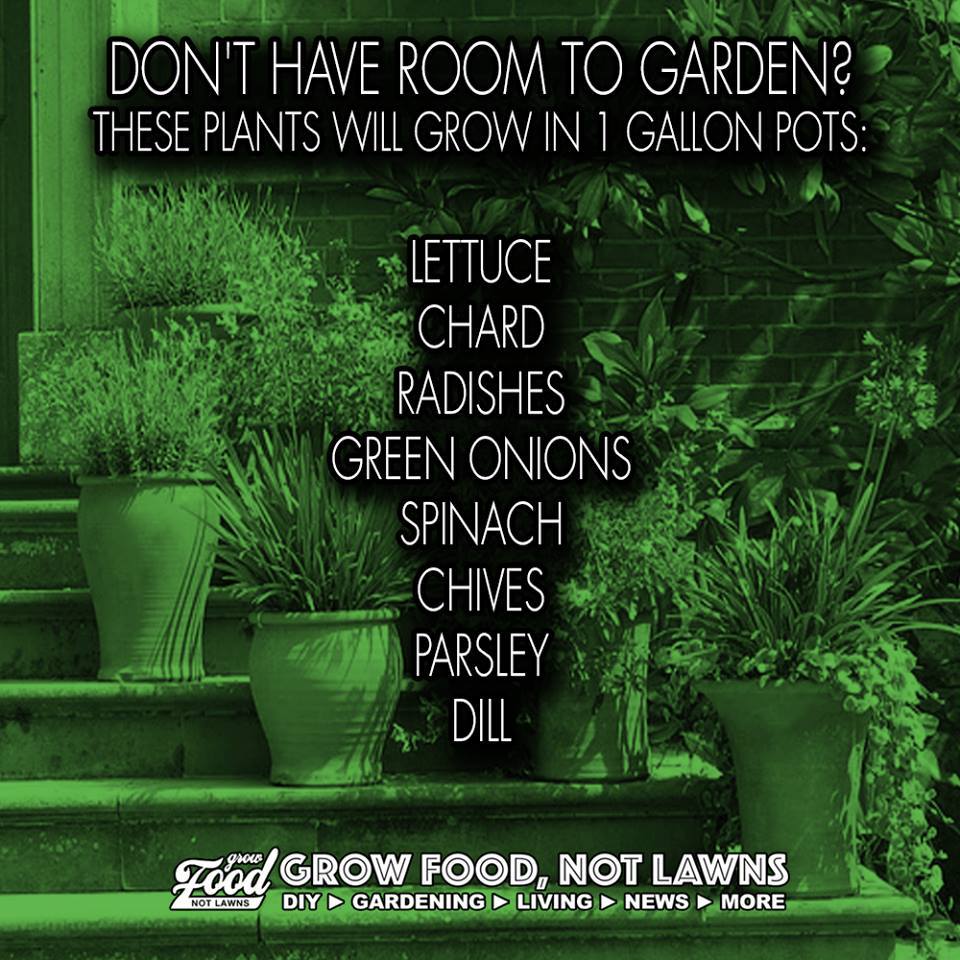
Understand how much space your plants are going to need. It’s a common mistake for gardeners to get too small of pots. Research the type of roots your plants have – not all grow down some grow wide and need wider more shallow pots.
Look for the best place in the house for each plant, and don’t be afraid to try different locations until you find the best spot. Some plants are picky and that’s a-okay!
I hope this is able to help someone with their little green babies. Gardening can bring such joy to ones life, I hope it can for you!🌿



 fair--y backup