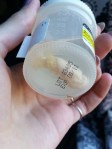
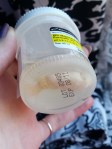
A few days ago I received a very special package I the mail. It contained this amputated human toe, belonging to the lovely royallyoily. Like, literally this is a toe off of her foot. I’ll be changing the solution, putting it in a new pretty jar, and potentially making it into a wearable pendant. Taking on this project is so super meaningful to me, more so than any other jewelry project i’ve taken on, including the engagement ring. I’m so appreciative of her trust in me, and I’m so excited to get to work on this!
Literally brought tears to my eyes. I am so grateful and excited myself. Not only do I absolutely trust your artistic expertise @cummy-eyelids but I also feel my body part (yes an actual piece of me) could not be in more capable hands. I know you will respect and care for my little piggy. I appreciate this more than you’ll ever really know!
hey guys, just a quick question: what the fuck is going on over here
Cjfjdhebencjdndnxjdjsjzjcj
i believe this is historically and culturally significant enough to be stored in the smithsonian
 fair--y backup