Yule is about celebrating the Sun’s long journey back towards the Earth. During the time leading up to Yule, it’s a good idea to do some deep cleaning and de-cluttering, followed by a cleansing ritual so you have a fresh space to celebrate.
Before Yule – A time for preparation
Knit or sew new clothes
Prepare for winter
Store food and herbs for winter use
Take in potted plants and harvest the last of your herbs
Arts & Crafts
Make stove top potpourri
Make witch balls and hang them around your home or on a tree
Make a wreath using herbs that correspond with your intent (peace, happiness, prosperity, etc)
Use birch branches to craft a besom
Cleaning & Cleansing
As you do any cleaning, visualize removing all of the negative energy from your life
Clean your bathroom – scrub toilets, wipe down counters, clean out the bathtub
Clean your mirrors
Clean your windows
Finish all your cleaning with a good smoke cleanse using sage, sweetgrass, pine needles or mistletoe, along with your other favorite herbs. Start at the front door and move the incense around the doors and windows of every room, following the lines of the walls.
Get rid of all the extra clutter in your house
Replace your home’s air filter
Sprinkle carpets and rugs with baking soda and vacuum, making sure you move all your furniture to get underneath. Vacuum walls, baseboards, ceiling fans and all the other hard-to-reach places
Use a broom to sweep up dirt
Cooking
Bake and cook with family and friends, blessing the food with intent of prosperity and happiness
Brew cider infused with herbs and fruit that correspond with prosperity and happiness
Cook a feast of wintery foods
Decorating
Add comfy white pillows filled with herbs to your sofa for a sacred space to meditate
Decorate your tree and bless all of your ornaments
Hang golden suns around your house to welcome back the sun
Hang mistletoe for love and protection
Hang a sprig of holly in the house for good luck and safety
Leave out birdseed ornaments
Light lots of candles to symbolize bringing light back into your life
Spell-casting & Divination
Cast spells for peace, introspection, wishes and new beginnings.
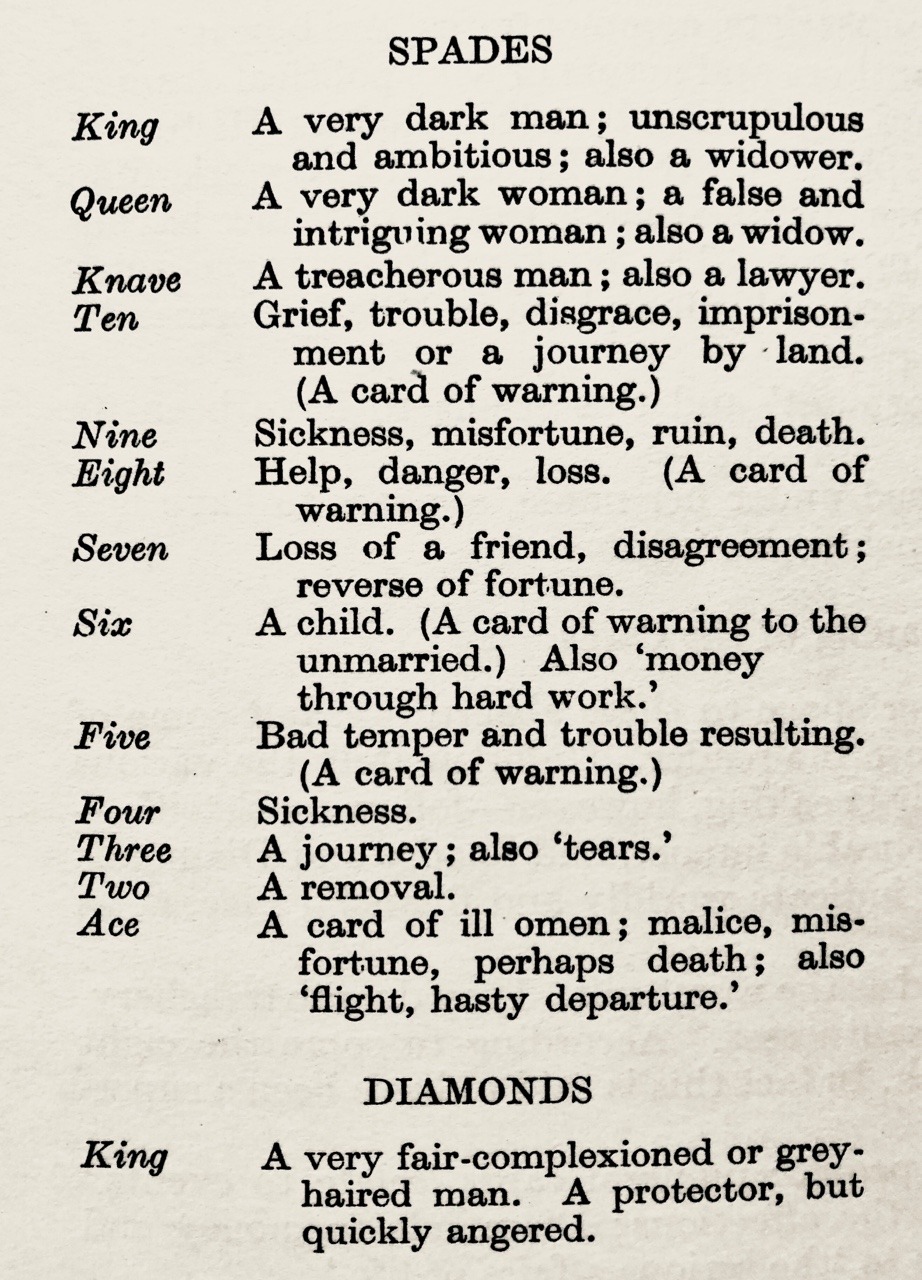
Do a winter solstice tarot spread for yourself
Cast spells for light, purification, renewal and rebirth
Divination centered around messages and omens
Other Activities
Burn a Yule log in honor of the sun, and toss in a sprig of holly to burn away the troubles of the past year. note: use only a small amount of holly if burning indoors, as the fumes are toxic
Give gifts
Go carolling
Make holly water by soaking the leaves overnight in spring water under the full moon
Play in the snow and collect some to use in spells
Take a walk under the full moon and record any important thoughts or visions you receive
Tie up any loose ends in your life
Volunteer in your community or donate old belongings
Write about your reflections of the past year and what your goals are that you’d like to achieve by the end of the coming year. Bless the page with motivation and love.
No matter what path you follow as in witchcraft are, chances are you have some sort of sacred space. If you are a witch whose practice is part of your religious beliefs, this might be a place to communicate with your deities. If you work with spirits, this could be a place where honor your ancestors. Non-religious witches like myself often use altars as a space where they can connect with their magical and spiritual sides. Even though we all share this desire to have a place all our own dedicated to our craft.
That doesn’t mean we all need the same type of space. Whether you are a new witch who can’t show off your craft publicly (we’ve all been there) or just a witch who isn’t really into the more standard altar table setup, there are plenty of options for customizing and creating an altar space that meets your needs.
Window Altars
One easy way to create an altar is to take up a windowsill. Depending on the arrangement of the room you’re using, your personal preference, and the space available, the size of this type of altar varies.
This generally small altar space can be good for witches in the broom closet and green witches who like to keep their altars populated with plant friends. Because it is literally a window to the outside, these altars are also great places for charging things like crystals, spells, and water under the light of the moon.
Benefits:
Good for altars that are heavily planted (hello, sunlight!)
Generally discreet
Keeps your altar space contained (for all us witches that do not know when to quit)
Garden Altars
While pretty much any altar can include plants, there is something else to say for an altar that is almost completely plants. If you have some space indoors, why not design a witch’s garden that doubles as an altar space?
A small tray planted with succulents with offering bowls and candle dishes set into the soil and crystals scattered around can be a unique, and even moveable altar! You could also use potted plants so that you can change the arrangement or plants out whenever you need a refresh.
Benefits:
Deeply connected to nature and the earth
Pluck herbs for spells right off your altar
Generally pretty moveable
Bath Altars
If you love bath magic as much as I do, you’re a water witch, or your bathroom is one of your most sacred places (self-care anyone?), a bath altar could be the perfect thing to give your craft a physical home.
We’ve all seen those pictures of wooden tray tables for baths surrounded by eucalyptus and candles. Add a statue of your deity (or a symbol of something important to your craft), some crystals (check how your crystals are affected by water and humidity first!), and some jars of your favorite things to mix into bath spells, and your bath altar is set.
Benefits:
The perfect place to combine witchcraft and self-care
Perfect for witches that incoroporate the water element in their craft a lot
Magic really does belong in every room in the house
Travel Altars
If you tend to practice on a whim rather than waiting to be in a specific place or if you need to be able to stash your altar quickly, a travel altar is perfect. These altars can be fit into matchboxes, Altoids tins, jewelry boxes, and even hollowed out books! If you can carry it with you and find supplies small enough to fit, anything goes. (I’ve even seen locket altars!)
Some witches will create multiple travel altars for different purposes or focuses, but don’t feel like you need to collect them if that’s not your thing.
Benefits:
Small and discreet, it’s hard to make a mess with these
Very customizable (and easy to have multiples of!)
Perfect for witches in the broom closet
Virtual Altars
Tech witches, I haven’t forgotten you. If you’ve been following me for a bit, then you might know that I threw out the idea a while ago about a altar lockscreen/wallpaper for your phone/tablet/etc. Now that I’ve talked to some tech witches, I know this is actually a pretty sound idea!
Whether you commision an artist or design one yourself, a lock screen wallpaper for an electronic device (you could even go as big as a laptop with a touch screen!) could make the perfect altar for a tech witch. Even if you decide not to use it as a wallpaper, designing an image that serves as an altar and opening it in GIMP or Photoshop where you can create additional layers for placing other virtual elements could be useful.
Benefits:
Travel friendly
Can be synced across devices, so your altar is always with you
Easy to change and “redecorate” throughout the year
Similar to a virtual altar, a paper altar is a portable, customizable altar. Many witches choose to include paper altar setups in their grimoires, but there’s nothing stopping you from making larger paper altars with poster paper that can be rolled up and stored away.
If paper altars are attractive to you, don’t be deterred if you aren’t an artist! Minimallism in paper altars is perfectly fine. You can always outline your altar with symbols or even words alone. If you’re happy with it, it is perfect. You don’t have to meet and requirements for aesthetic or any other witch’s expectations.
There you have it! Of course, there are so many more types of altars, and even table altars can be created to fit your own personal needs. If you’re attracted to more than one of these, why not try combining the elements that call to you to make something entirely your own? The possibilites are endless.
reblogging here because i can see this being relevant to anyone who’s ever tried to get out of an abusive relationship
Reblogging because that last comment made me reread the whole thing in a new light and realize this could be vital information. So, putting it out there for everyone, and hoping no one ever really needs it.
Thoughtforms are manmade spirits created from someone’s concentrated energy. Just because they are manmade doesnt make them any weaker, or lesser of a spirit. They tend to be dependant on your energy, and because they are sentient beings, without your energy they could wither away and die. Energy is basically food for them.
Thoughtforms are usually created with a purpose, whether it be a buddy, aide you with magick, astral projection, aide with mental illnesses (they should not replace any therapy or medical attention youre recieving), or fill your loneliness.
✧・゚: *✧・゚:* *:・゚✧*:・゚✧
There are many different types of thoughtforms, each one is different and unique in their own way.
Servitors- servitors are a type of thoughtform that is created with the energy and a specific purpose. They are more commonly used to serve the creator and fulfill tasks. Servitors are completely customizable, from their looks to their thoughts and personality. They need attention and energy to stay alive
Tulpa- Tulpa are very similar to Servitors, except that they dont really perform tasks. Tulpa are basically imaginary friends, and strictly made from pure thoughts, and little energy. They survive off your attention, and will die if you forget about them.
Egregore- Egregores are quite complex beings, as they are created by a group of people, usually likeminded people. Most often not, these are created intentionally and feed off the energy from the people. It also forms when the same people meet up.
Godforms- Godforms are extremely powerful and have free wills. Usually these start off like basic thoughtforms, from concentrated energy, and will feed off energy given until they are strong enough to sustain on their own. Godforms tend to be more unique and will have their own personality, thoughts, looks, beliefs, set of morals as well as ideals.
Basic Thoughtforms- Basic thoughtforms are the most common to see around. Shops will make these for people. They are similar to Servitors, except their personality develops on their own, and they have a free will. They not only feed off of given energy, but offerings as well.
✧・゚: *✧・゚:* *:・゚✧*:・゚✧
Thoughtforms can look different, they are all unique, just like people. Most common are Orbs, Animals (or something with animalistic characters), and humanoids.
Orbs are quite simplistic and tend to be a basic color, and have simple tasks to fulfill. They have limited knowledge as well as communication skills. The tasks they are created are simple, like helping with astral projection for example. Because they are simple, they are easy to make.
Animal thoughtforms are more complex, and have more complex tasks. These thoughtforms are extremely loyal to their companion, and will fulfill tasks for attention as well as offerings. Animal thoughtforms have a more broad range of comminication, as well as knowledge, and to have emotions.
Humanoid thoughtforms are the most complex, and need more energy to make. They tend to perform tasks that orbs and animals cannot do, as they are more intelligent. Since they are more intelligent beings, they communicate easier, as well as learn easier than the other two. Since these are more complex thoughtforms, they tend to be harder to take care of and require more energy as well as offerings.
I can’t recommend them all yes there is some michael ford there, be cautious with those ones but there’s a variety of both historical/mythological and magical information
If you have suggestions/pdfs I can add, I would love to hear from you!
I remember in my early days trying to find resources on historical Celtic witchcraft. I wanted to learn about the witchcraft from the places I descended from. So, I searched for answers. I read book after book on the supposed witch practices found in Wales, Ireland, and Scotland (Raymond Buckland never steered me so wrong, and that’s really saying something). However, I remember feeling…unsatisfied. It didn’t seem historical or based in any pre-Gardnerian lineage. It seemed like Wiccan influenced witchcraft based in Gaelic and Gallic mythology. However, the authors of the books were claiming that it was truly historical and traditional. Lo and behold, I was correct. So then came the question “What is historical ‘celtic’ witchcraft and where can I find it?”
First of all, there is no one Celtic witchcraft. The word ‘Celtic’ applies to both Gaels and Gauls (though it’s said that Gauls aren’t included in that term at all, but for now, we’ll use it). There are six nations covered under ‘Celt’; Wales, Ireland, Scotland, Brittany, The Isle of Man, and Cornwall. Any witchcraft that originates from those lands can be considered ‘Celtic’, but the use of that term can create confusion and misinformation. Though they may look similar at times, and though they are all witchcraft, they are not the same. Methods changed from environment to environment. The witchery has always been based in the Land.
I’ll briefly describe the practices and lore found in each land, but it is by no means exhaustive.
Cornwall
In the circles of traditional witchcraft, Cornish witchery has been made very clear and accessible with much thanks to the wonderful Gemma Gary. Cornwall has perhaps one of the strongest histories of magical practice out of the Celtic Fringe. Not only witches, but Pellars (cunning folk), were a large part of the culture. Folk magic, the basis of both witch and pellar magic alike, ran rampant through Cornwall. The Pellars of Cornwall held a very strong likeness to witches, so much so that some folklorists consider them the same. The Pellars made it a point to have a wide range of services available to their customer. That meant that they would both curse and cure. The magic of Cornwall often came in the form of small spell bags filled with either powders, folded written charms, or other magical ingredient. These bags did a number of things, from love conjuring, curse breaking, and spirit banishing to healing, luck magic, and finding lost possessions. According to Cornish witch lore, a witch’s power fluctuates with the seasons, and it was in the spring that a witch’s power was renewed. The different pellars and witches of Cornwall would also clash through reputation of power. Though they clashed, the witches of Cornwall would also gather for their sabbats, which were a strange thing to behold to outsiders. Witches, both young and old, would dance with the Devil around fires, faster and closer to the flames with each pass, and never be singed. The ability to spontaneously disappear is spoken of (which may suggest flying). Black animals, especially black cats, are often spoke of in Cornish witch lore. The association with witch and toad is especially strong here, and it can be seen as a familiar, a shapeshifting witch, a charm, or an indicator of a witch.
Wales
Witchcraft that comes from Wales can be particularly tricky to find. The term ‘Welsh Witch’ has been popular since the early days of Stevie Nicks. This makes it notoriously difficult to find any historical references on actual Welsh witches. In actuality, there were two kinds of magical practitioner in Wales. The first was a wizard (known as a cunning man in England) and the second was a witch. Wizards were very popular and plenty in number in Wales. Their practice was based mainly in healing the ill and livestock. They also did favors, like giving love potions and undoing witch spells. One Welsh tale, however, tells about a conjuror who is unable to undo a witch’s spell on a butter churn, so the farmer must turn to another witch to reverse it. Welsh witches were thought to have great power. They were able to raise the dead, curse their enemies, and according to older legends, shape shift and fly. Observing the myth of a sorceress named Cerridwen and the legends of Morgan le Fey and Nimue, there comes a general idea of what a witch was in Wales and Welsh legend. The idea of someone brewing potions and poisons was most definitely associated with witches, but more broadly, elements of water and weather seem to have importance. Interaction with the fairies also holds a very strong importance in Welsh craft. Walking between worlds, particularly this world and the world of the Fairy (Avalon, anyone?), was a skill that many wizards, witches, and heroes of Welsh myth acquired. All in all, the witchcraft in Wales is quite similar to the witchcraft found in England, as is the interaction between Wizard (cunning folk or Wise Men and Women) and Witch.
Brittany
In Brittany, a very strong fear and dislike for witches is found that is unlike Wales. Witches in Brittany were thought to be many in number. The legends suggest that they targeted farmers especially, making sure always to turn milk sour and spoil butter. They were also accounted to be particularly dangerous and vicious. Any man who watched their Sabbat would either not be found, found dead, or found scared witless and unable to speak. The witches of Brittany, however, were also sought out by the townsfolk. Indeed, there were witch doctors to fix their issues, but the witches were sought out for love spells and favors. Witch-cats are also mentioned, which could be either a reference to familiars or shapeshifting. Most strangely, Breton witches are said to very rarely cast spells on their targets and instead cast spells on the animals and possessions of the target. Every village is said to have a local witch. Some villages are said to be completely filled with witches. Many of them carry cane-like sticks with which they cast their spells. They were also said to be skilled in spells to find things, like lost objects and buried treasure. The line between village conjuror/wizard and witch is difficult to draw here. They may choose to help or harm, depending on their inclinations. For that reason, they still hold a strong reputation in Brittany, despite it being a place noted for its skepticism.
The Isle of Man
On the Isle of Man, both witches and magicians were an important part of the environment. The first thing you’ll find on the witches from the Isle is that they practiced much magic involving the weather and the sea. Magic was used to help the fishermen catch more fish, make sure the winds were good for travel, and settle storms at sea. A charm was made by a witch and given to a sailor that stored the winds inside. When he was at sea and in need of a gust, he would use the charm. Interestingly, the line between witch and cunning person seemed to blur here. Cunning folk were known as Charmers and Witch Doctors. Witches, however, were employed when needed. There was a perceived difference between the magic of different kinds of practitioners. Do not be mistaken, though. The fear and dislike of witches still existed. Many farmers feared the wrath of witches, especially when their crops failed and their cattle died. To reveal the witch responsible, they would burn whatever died. The person in pain the next day was thought responsible. As throughout all of Europe, witches were thought to have gained their power either through birth or through the Devil’s grace. However, witches were looked upon differently in the Isle than other places. Because of its long associations with magic, it had many kinds of magical practitioners and witches were not always considered to be the most powerful of them. Magicians, who practiced an art to compel and work with spirits and powers beyond other kinds of practitioners, were revered. They were usually compared to the image of Manannán Mac Lir, considered both a sea god and a powerful magician. The ability to fly and walk between worlds was also attributed to the witches and magicians of the Isle of Man, most likely due to the latter.
Scotland
Witchcraft flourished in Scotland perhaps as much, if not more than, in Wales. Scotland’s witch trials are famous, and perhaps the most famous among them was Isobel Gowdie. In her free confession, she detailed a story that most labeled imaginary. She spoke of fairies, elf bolts, curses, shapeshifting, flying, and lewd activities with the Devil. When comparing it with the confession of Alison Pearson, another Scottish witch she had never met, a Scottish fairy tradition begins to appear. Alison also details stories of going under the hills to meet the fairies, as well as them making elf bolts. More trials begot more folklore and legends. Stories of witches working the weather to destroy crops, sink ships, and cause havoc spread. More tales of a Man in Black appearing to future-witches and witches alike began to run rampant. John Fian, a male witch, was famed for his botched love spell, teaching witchcraft, harshly bewitching people whom he didn’t like, and attempting to sink the fleet of King James VI with a storm. Much of Scotland’s witchcraft was influenced by Gaelic legend and myth. Scotland’s witchery was not Gaelic alone, however. Norse invaders came and brought their magic with them. In Orkney, a Scottish Isle filled with witch history, the Vikings came often. Their language and culture mingled with the Scots’. Soon, cunning women were referred to as Spae Wives. The word Spae comes from the Old Norse spá,which means ‘prophesize’. These spae wives told fortunes, created charms, and protected against foul magical play. The witches of Scotland, however, proved a match for them. They killed cattle, cursed babies, and brought general havoc with them.
Ireland
Historical Irish witchcraft is perhaps the most difficult to find out of all the Celtic regions, and this is for a few different reasons. The first being that many lineages of Wicca have taken Irish mythology and applied it to the Gardnerian influenced witchcraft that they have. Many times when the word ‘Celtic Witchcraft’ or “Celtic Wicca’ comes up, this is what is being referred to. The second reason that it’s difficult to find is because the witch trials in Ireland are few and far between. The trials barely touched Ireland, amounting to a whopping 4 trials. The generally accepted reason for this is that Ireland was extraordinarily lax with its witchcraft laws. Most times, using witchcraft against another person’s possessions or livestock resulted in prison time. Only by harming another magically would a witch be executed. Interestingly, many people took this as a sign that Irish witches were generally less severe than their other Celtic counterparts. Florence Newton, the famed witch of Youghal, put the assumption to rest. When a woman refused to give her any food, she kissed her on the street. The woman became extremely ill and began to see visions of Florence pricking her with pins and needles. Florence also kissed the hand of a man in jail. He became very ill, cried out her name, and died. In a Northern Ireland trial, eight women were accused of causing horrific visions and poltergeists in the home of a woman. The ability to create illusions is a trait attributed to fairies in Gaelic myth. Those fairies are said to have taught the witches their skills in both Ireland and Scotland. Irish witches were said to turn themselves into animals, especially hares and crows, to spy on their neighbors. They would also place spells on those whom they wish in their animal form. They were also said to have used bundles of yarrow and branches of elder to fly. These sticks they flew upon, before brooms, were known as ‘horses’. They were said to fly up out of the chimney of their own homes. A tale of witches using red caps to fly also appears in Irish lore. This is another example of their strong ties to the fairies. The similarity between Irish and Scottish witchery has been noted, as they both have strong ties to Gaelic lore.
Witchcraft from the Celtic lands is a complex and unique thing, changing between each of the six nations. To lump them under a single title would be to lose the subtleties and differences between each. Saying that Irish witchcraft and Welsh witchcraft are the same is a fool’s lie. Saying that they are similar is true. Shapeshifting, flying, fairies, storms, and charms are found in each. But they are different. It isn’t a bad thing when the myths of these lands are paired with Wicca or Wiccan influenced witchcraft. However, the historical practices from those places mustn’t be overwritten.
Brilliantly well put. Wish there were sources attached, but names and google are a great help.
Thanks! There was a discussion on sources earlier, here, where I listed some and some others suggested some as well.
Disclaimer: Spiritual/Magickal Healing should NEVER replace mundane treatment. If you have a physical or mental illness or health issues see a professional. Always check mundane causes before jumping to spiritual conclusions.
Blockages are an icky thing that happen to everyone for a multitude of reasons: Stress, tension, repressed emotions, physical ailments, trauma, a lack of grounding, and more. Depending on the severity they can manifest in a way that has you feeling them in/on your physical body – especially if you’re energy sensitive.
They are an obstacle in your energy flow and thus bring it out of its normal flow when present. This creates an inbalance in your system and results in different issues including, but not limited to:
• Constant fatigue
• Being easily irritated
• Trouble focusing
• Negative feelings
• Trouble grounding, cleansing, or doing other types of energy work
• Being spiritually/magickally “closed off”
• Being unable to express yourself properly
Note that this isn’t a comprehensive and end-all be-all list. Also, again, be sure to check for mundane causes first.
So, how do you find a blockage? You could ask a healer or energy reader that can detect these things. If you want to do it yourself, there are multiple methods. I’m going to list two.
Method 1
• Sit down somewhere. It works standing as well, but I prefer sitting.
• Take your hand. If you have a specific technique to make it more energy sensitive, use it now.
• Go over your body with it. Whether you hover over it or touch it is down to preferance; I prefer to hover.
• Send out “sensers” that you glide into your energy system.
• Search through it, if you feel a resistance or an icky feeling somewhere, dig deeper. Maybe the energy is just a bit heavier or thicker there. Maybe it’s an energy point. Maybe it’s a blockage.
• Do that with your whole body. You DON’T have to be able to reach everywhere, just lengthen your energetic sensers for parts you can’t touch/reach, like between your shoulders.
Method 2
(This method requires astral traveling.)
• Lie or sit down.
• Get into a comfortable position. If you need to be in a trance or meditative state to Astral Travel, do that here.
• Now, reach one of your astral body’s hands out.
• Put it inside your energetic body. It doesn’t really matter where – personally, I like to start at the head or feet.
• Make sure to focus on your (Astral) hand and then start to go everywhere in your body with it. Feel it out. Any resistances? Icky feelings? How does the energy feel?
• Take note of any sensations you get. If something feels off, take a closer look.
Types of Blockages
@chaosjelly has a really good post about blockages and anomalies here. I will only extend on his list – read it if you haven’t before.
1. Messy Thread “Balls”. These are blockages that form when energies get cuddled up on their way through your system. These appear as bundles of, most often but not always, thin energy threads. They let energy through, though not as much as if there wasn’t a blockage, but not in its regular flow. The energy that comes through is more “confused” and disoriented, often not staying on its original path.
2. Walls. These are similar to the rocks Jelly mentioned. They can be tall, small, thin, thick, rectangular, oval, etc. but they’re all very stiff and strong. These let very little if any energy through and often create dams.
3. Dams. These mostly form in combination with other blockages as it’s rare that energy starts to accumulate in these amounts without something else being in the way. Dams are exactly that: Accumulations of so much energy at one point that it starts to get thicker and taller until it stays in its place, creating an obstacle for the rest of the energy. How much energy they let through depends on how thick and tall the dam blockage is.
4. Hard Energy. Not necessarily a blockage but still troublesome. Optimally, Energy flows with ease and is flexible in its way. Due to a bunch of different possible reasons it can harden and with that normally slows down. Not rarely it even stops. The rest has to make it’s way around it and the energy is more prone to catching unwanted properties.
This is not an end-all-be-all guide, but I still hope it helps! Here are my other healing posts so far (will be updated once new ones are made):
Hello today I wanted to show how the Bible is not against LGBTQ+ individuals, we will be looking at the “clobber” passages within the old and new testaments:
The Story of Sodom & Gomorrah (Genesis 19)-
God sends two angels disguised as men into the City of Sodom where the men of Sodom threatened to rape them. The angels blind the men, and God destroys the city. For centuries, this story was interpreted as God’s judgment on same-sex relations, but the only form of same-sex behavior described is a threatened gang rape.
gang rape is obviously evil and is not in anyway talking about homosexuality, it was also a practice at the time used to humiliate a person. But the recap of Sodom & Gomorrah found in Ezekial 16:49 highlights the real point of the story:
“Now, this was the sin of your sister, Sodom. She and her daughters were arrogant, overfed, and unconcerned, they did not help the poor and needy.”
In other words, everyone using this story as evidence of the sin of homosexuality, might be missing the point entirely.
When God calls homosexuality an abomination (Leviticus 18:22) (Leviticus 20:13)-
This is by far the most used verse to condemn and use as an excuse to hurt people that are LGBTQ.
The translations of this verse found in most English
Bibles are not supported by the Hebrew text.
“Thou shalt not lie with mankind, as with womankind: it is abomination. (KJV)”
Correct translation:
“And with a male, thou shalt not lie down in a woman’s bed; it is an abomination.”
This is the correct translation of Leviticus 18:22. It can be seen that, rather than forbidding male homosexuality, it simply forbids two males to lie down in a woman’s bed, for whatever reason. Culturally, a woman’s bed was her own. Other than the woman herself, only her husband was permitted in her bed, and there were even restrictions on when he was allowed in there. Any other use of her bed would have been considered defilement. Other verses in the Law will help clarify the acceptable use of the woman’s bed (Lev. 15).
Romans 10:4 says that Christ is the end of the law.
“Or do you not know that wrongdoers will not inherit the kingdom of God? Do not be deceived: Neither the sexually immoral nor idolaters nor adulterers nor men who have sex with men nor thieves nor the greedy nor drunkards nor slanderers nor swindlers will inherit the kingdom of God.” — 1 Corinthians 6:9-10
“We also know that the law is made not for the righteous but for lawbreakers and rebels, the ungodly and sinful, the unholy and irreligious, for those who kill their fathers or mothers, for murderers, for the sexually immoral, for those practicing homosexuality, for slave traders and liars and perjurers—and for whatever else is contrary to the sound doctrine.” — 1 Timothy 1:9-10
“Because of this, God gave them over to shameful lusts. Even their women exchanged natural sexual relations for unnatural ones. In the same way the men also abandoned natural relations with women and were inflamed with lust for one another. Men committed shameful acts with other men, and received in themselves the due penalty for their error.” — Romans 1:26-27
During the time in which the New Testament was written, the Roman conquerors of the region frequently and openly engaged in homosexual acts between themselves and boys. Such acts were also common between Roman men and their male slaves. These acts of non-consensual sex were considered normal and socially acceptable. They were, however, morally repulsive to Paul, as today they would be to everyone, gay and straight.
This is the societal context in which Paul wrote of homosexual acts, and it is this context that Christians must acknowledge when seeking to understand and interpret the three New Testament clobber passages. Yes, Paul condemned the same-sex sexual activity he saw around him—because it was coercive, without constraint, and between older men and boys. As a moral man, Paul was revolted by these acts, as, certainly, he would have been by the same acts had they been heterosexual in nature.
The Bible’s clobber passages were written about same-sex acts between heterosexual persons, and do not address the subject of homosexual acts between a committed gay couple, because the concept of a person being homosexual did not exist at the time the Bible was written.
We can be confident that Paul was not writing to, or about, gay people, because he simply could not have been, any more than he could have written about smartphones, iPads, or televisions. We do not know what Paul might write or say today about gay people. All we know is that in the New Testament he wrote about promiscuous, predatory, non-consensual same-sex acts between people whom he understood to be heterosexual.
Here are a few quotes from out Lord Jesus Christ:
Luke 6:31:
Do to others as you would have them do to you.
Mark 12:31: The second is this: ‘Love your neighbor as yourself.’There is no commandment greater than these.”
These are just a few, I hope that this might change some minds and give hope to LGBTQ+ people.










 fair--y backup